
Who needs a colonoscopy
Most adults at average risk should begin colon cancer screening at age 45. You may need a colonoscopy sooner, or more often, if you have:
- A parent, sibling, or child who had colon cancer or advanced polyps
- A personal history of polyps, Crohn's disease, or ulcerative colitis
- Rectal bleeding, blood in the stool, or unexplained anemia
- A lasting change in bowel habits, or unexplained weight loss
What to expect
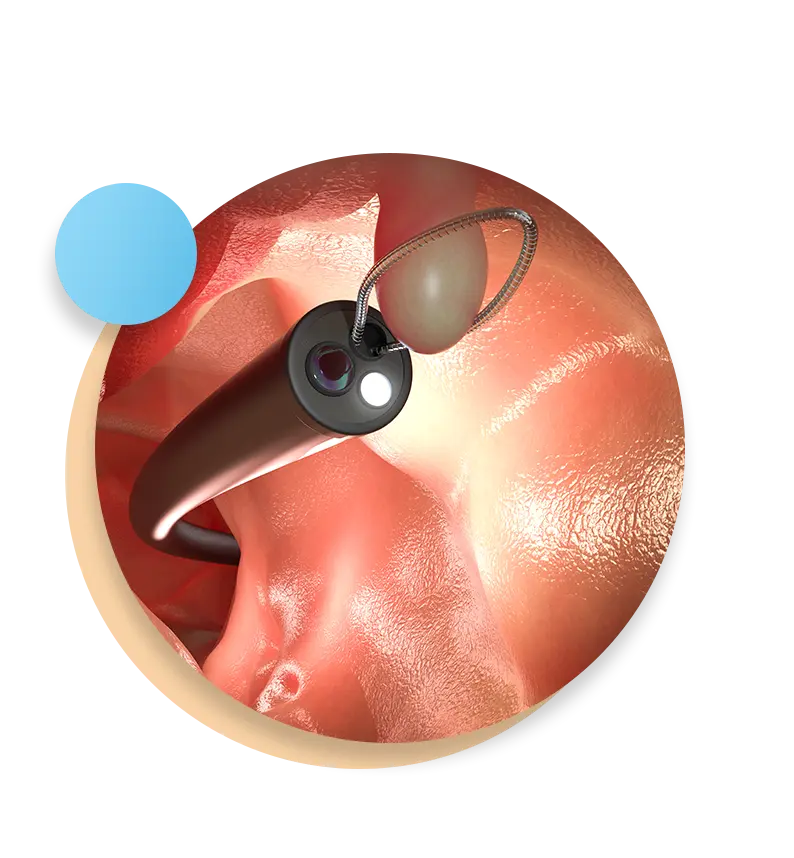
You'll receive sedation so you're comfortable during the procedure, which usually takes 20 to 45 minutes. A thin, flexible scope is passed through the colon while Dr. Forohar looks for polyps or inflammation. Polyps can usually be removed during the same exam, and small tissue samples can be taken if needed.
Because of the sedation, you'll need someone to drive you home. Most people return to normal activities the next day.
Preparing for your colonoscopy
A clean colon is what makes the exam accurate. Your prep instructions explain what to eat and drink the day before, how to take your prep, and which medications to pause. Download the instructions for the prep Dr. Forohar prescribed for you, follow them closely, and call us if anything is unclear.
- Colonoscopy prep with SUPREP (split dose)English 5-page PDFDownload
- Colonoscopia con SUPREP (dosis dividida)Español PDF de 4 páginasDescargar
- Colonoscopy prep with SUTAB (split dose)English 5-page PDFDownload
- Colonoscopy prep with GoLYTELY, GaviLyte, or NuLYTELYEnglish 2-page PDFDownload
- Colonoscopy prep with MiraLAX and DulcolaxEnglish 2-page PDFDownload
After the procedure
Mild bloating or gas is common for a few hours. Dr. Forohar will review what he found before you leave, and any biopsy results are shared once they're back from the lab. He'll also tell you when your next screening is due.